
Scenic Overview
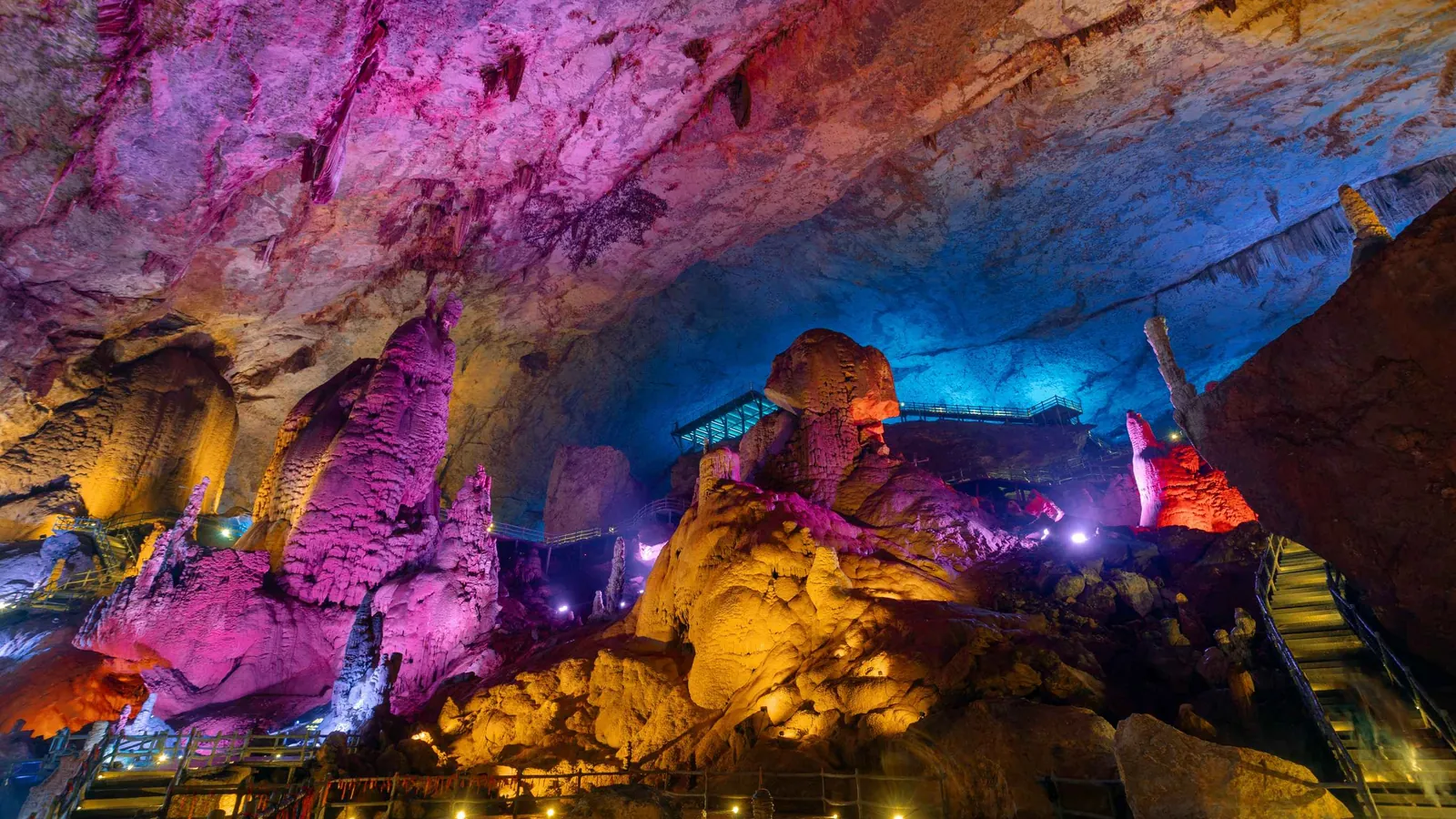
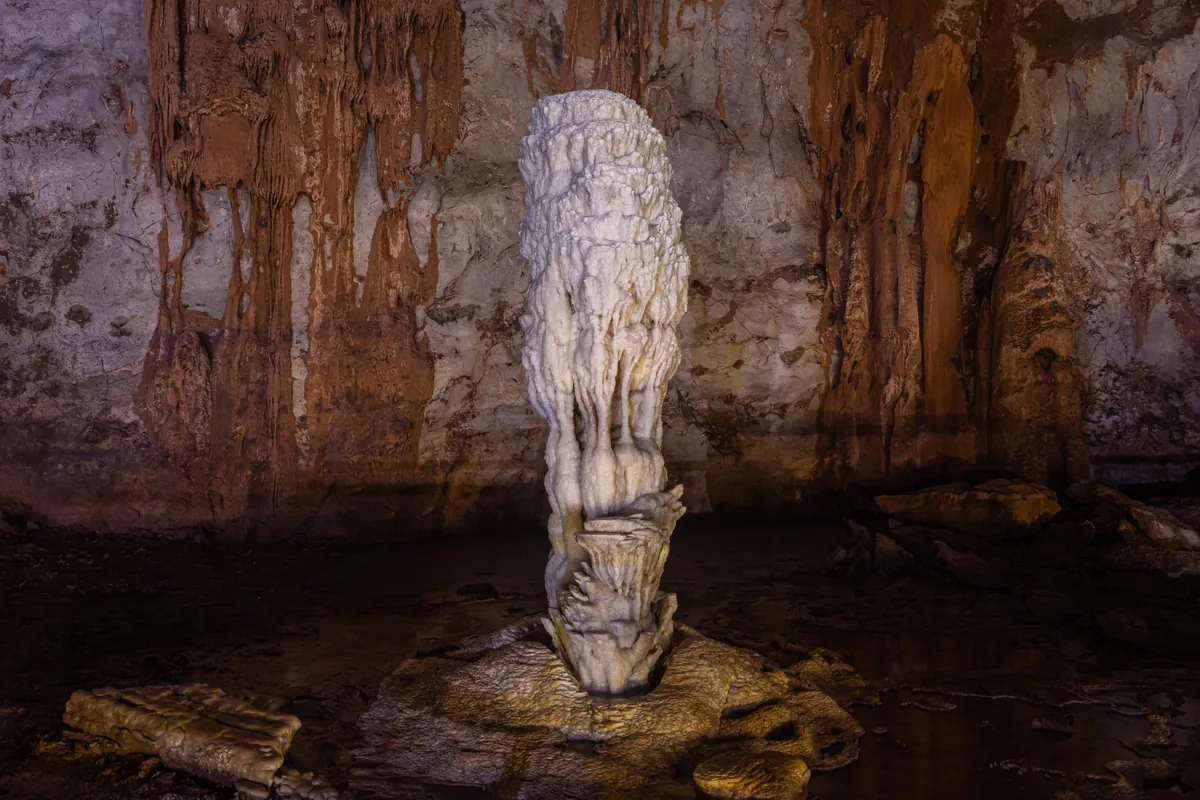
Yangxin Baidongxia Scenic Area is located in Dongxia Village, Yanggang Town, Yangxin County, Huangshi City, Hubei Province, at the border of Hubei and Jiangxi. It covers an area of 2.04 square kilometers and features a karst landscape that formed during the Cambrian period, around 500 million years ago. The main cave attraction, 'Mountain and Sea Fantasy,' stretches 4,800 meters and includes six large cave halls. It boasts the world's largest sightseeing elevator in a cave (31.8 meters high), the world's largest single cave hall 'Nuwa Palace' (123,900 square meters), the world's largest glass sightseeing platform inside a cave 'Yuyu Yaotai,' and the world's largest columnar stalagmite 'Tiandishan' (volume of 2,344.89 cubic meters). It has passed the landscape quality review and is on the provincial scenic-area creation list, pending on-site inspection. It has also been recognized as a science education base in Huangshi City for 2024-2028, with multiple practice bases for universities and media. The park combines canyon sightseeing, cave exploration, and scientific study activities, preserving Cambrian marine fossils from 540 million years ago, making it a comprehensive tourist destination that blends geological wonders, eco-tourism, and research education.

Scenery
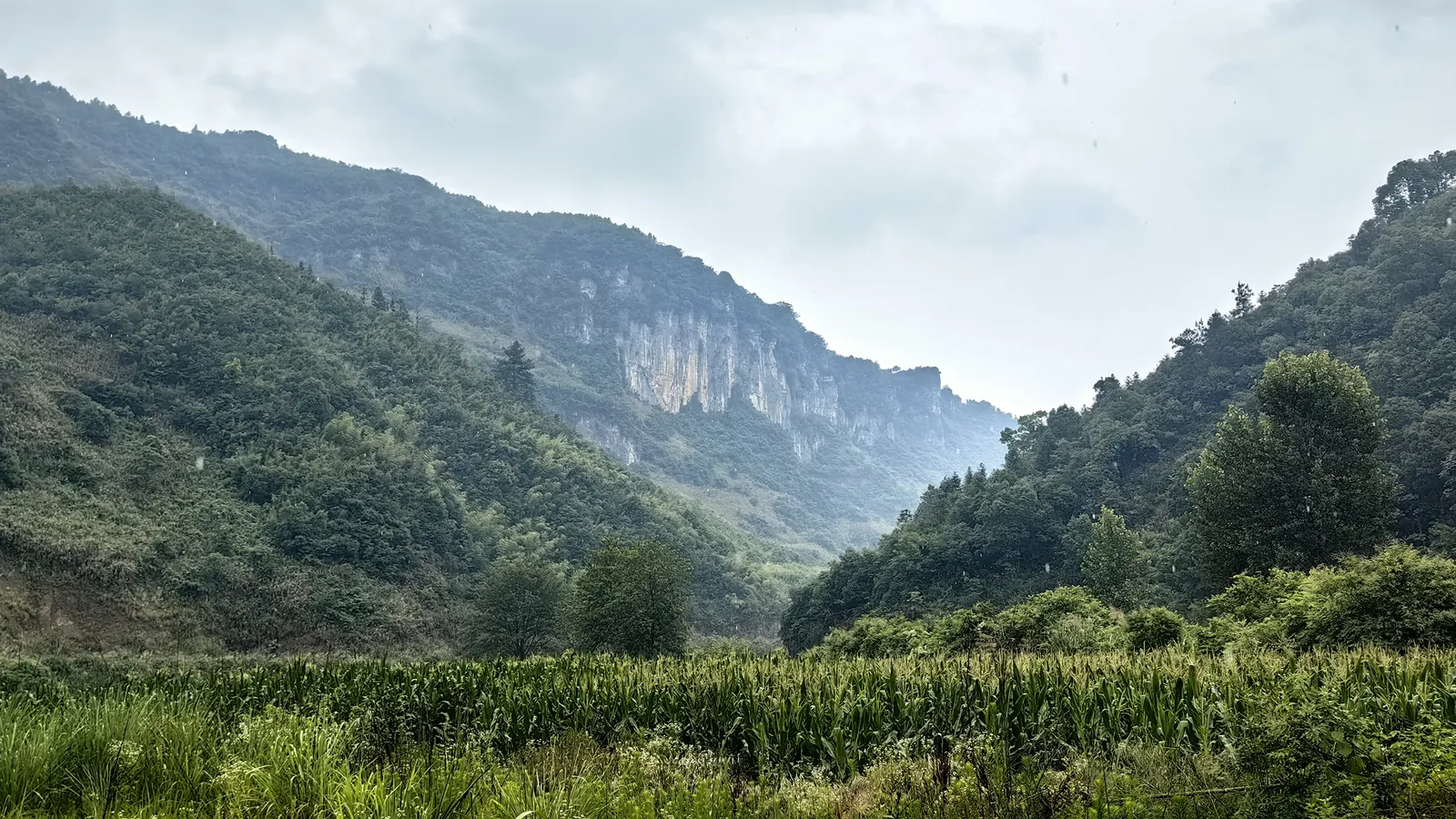
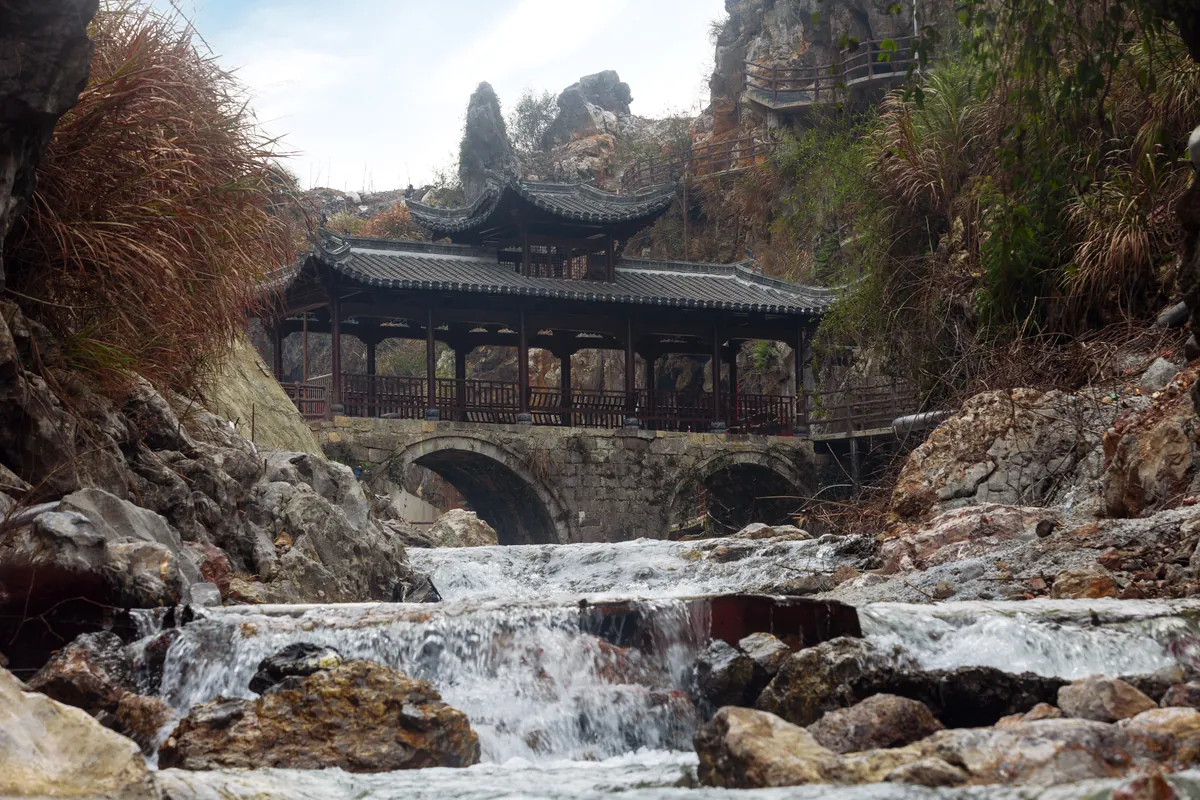
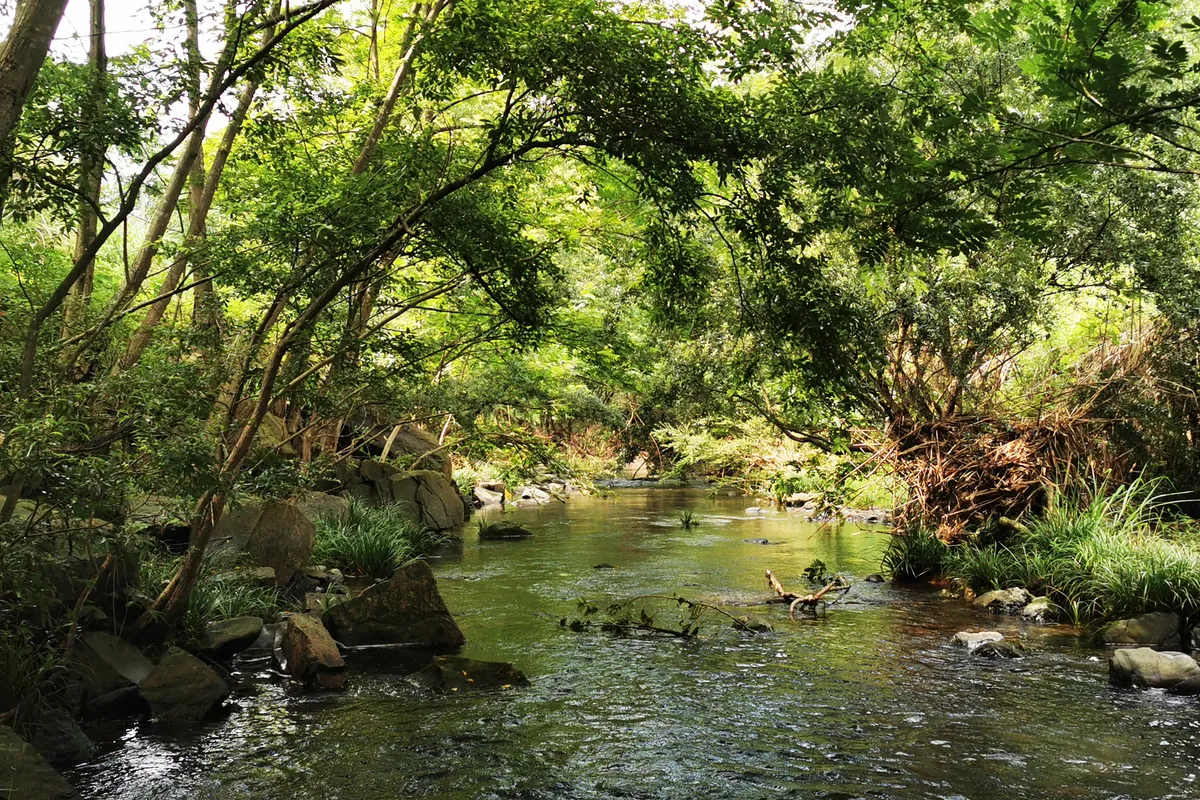
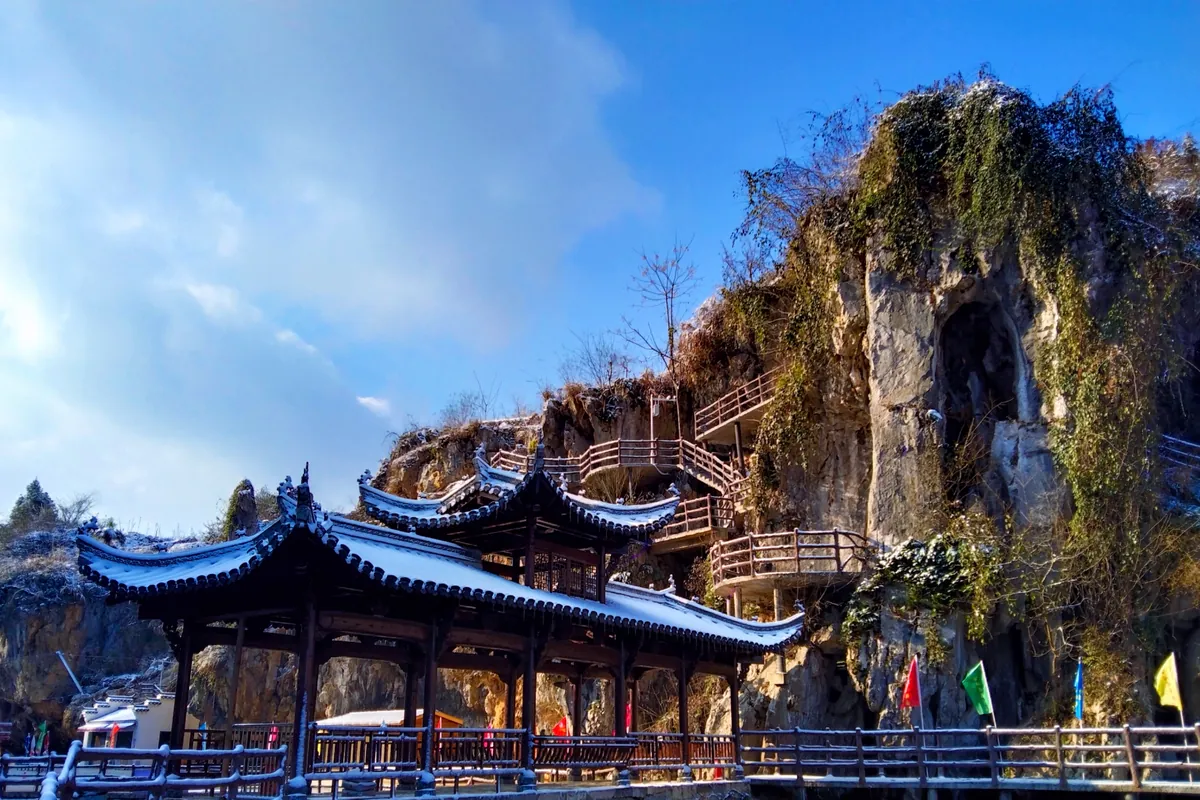
Valleys, streams, pavilions and stalagmite halls
Geology & Fossils
The main cave, Mountain and Sea Fantasy, formed in the Cambrian period around 500 million years ago. It preserves Early Cambrian marine fossils dating back 540 million years, a physical record of the ancient marine environment and geological evolution.
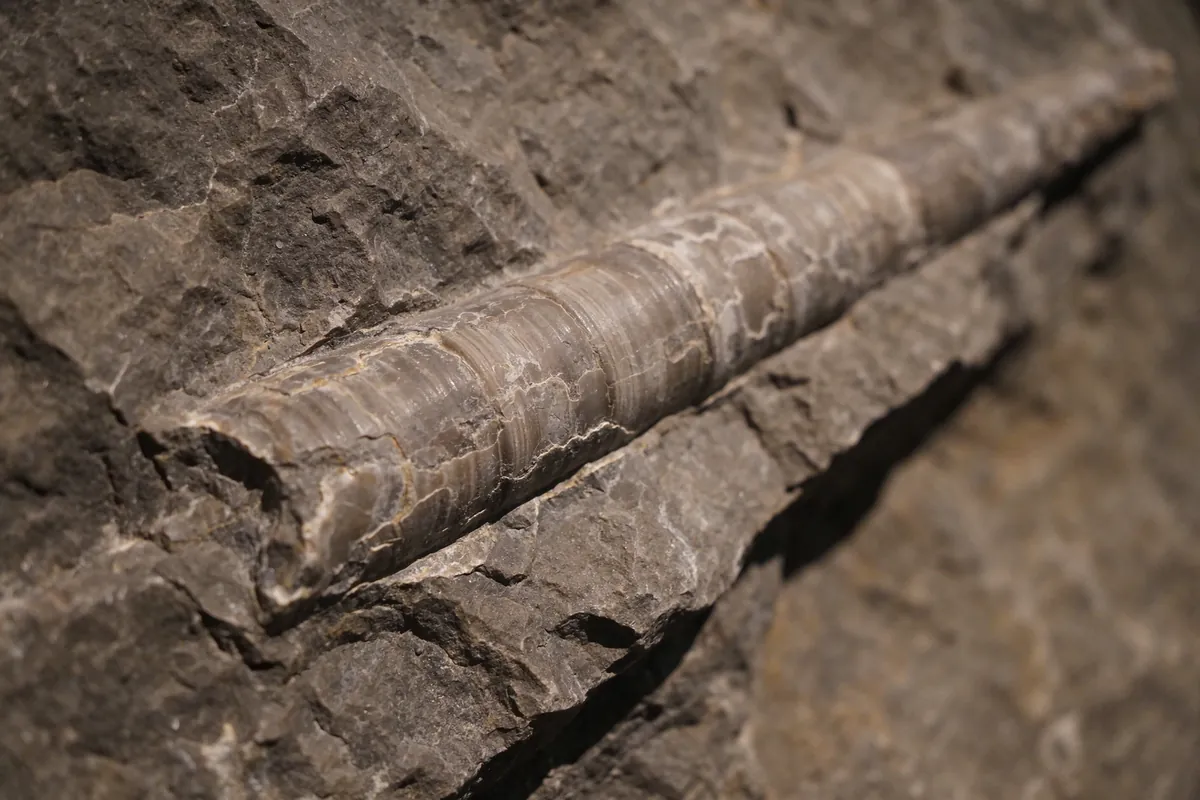
Cephalopod fossils
Remains of ancient marine cephalopods; shells and body traces record the marine environment of the time.
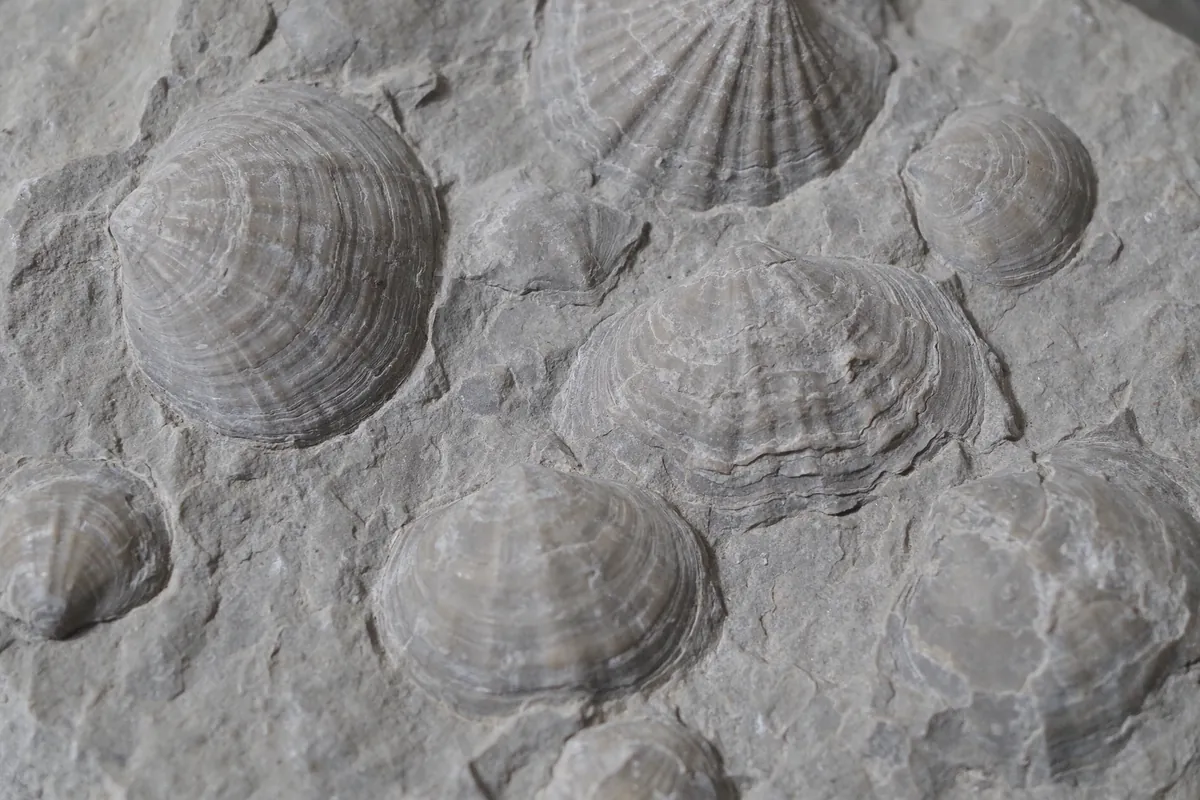
Brachiopod fossils
Fossils of seafloor-attached brachiopods, reflecting the Early Cambrian seabed ecology.
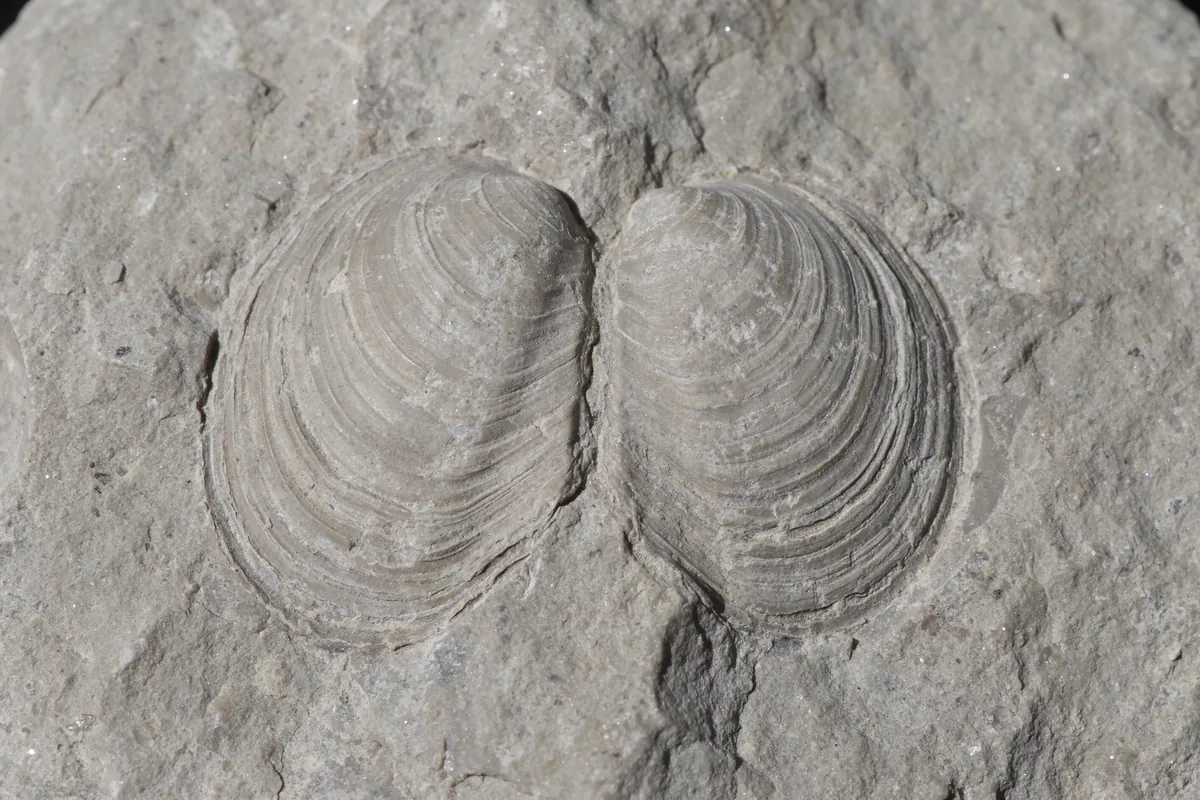
Mollusc fossils
Remains of ancient molluscs, forming the fossil assemblage together with cephalopods and brachiopods.
Cave Wonders & Ecology
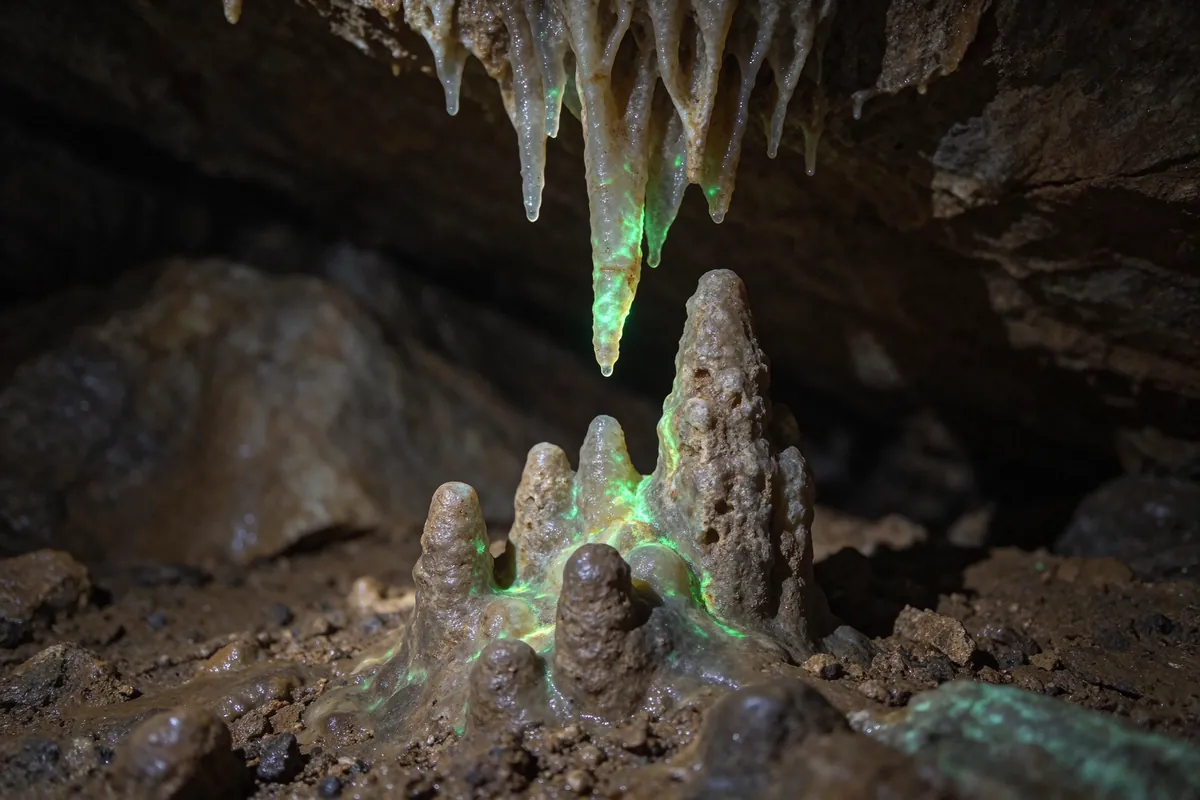
Phosphorescent stalactites
Show green phosphorescent bands under UV light that last briefly; large-scale phosphorescence is rare in Chinese caves.
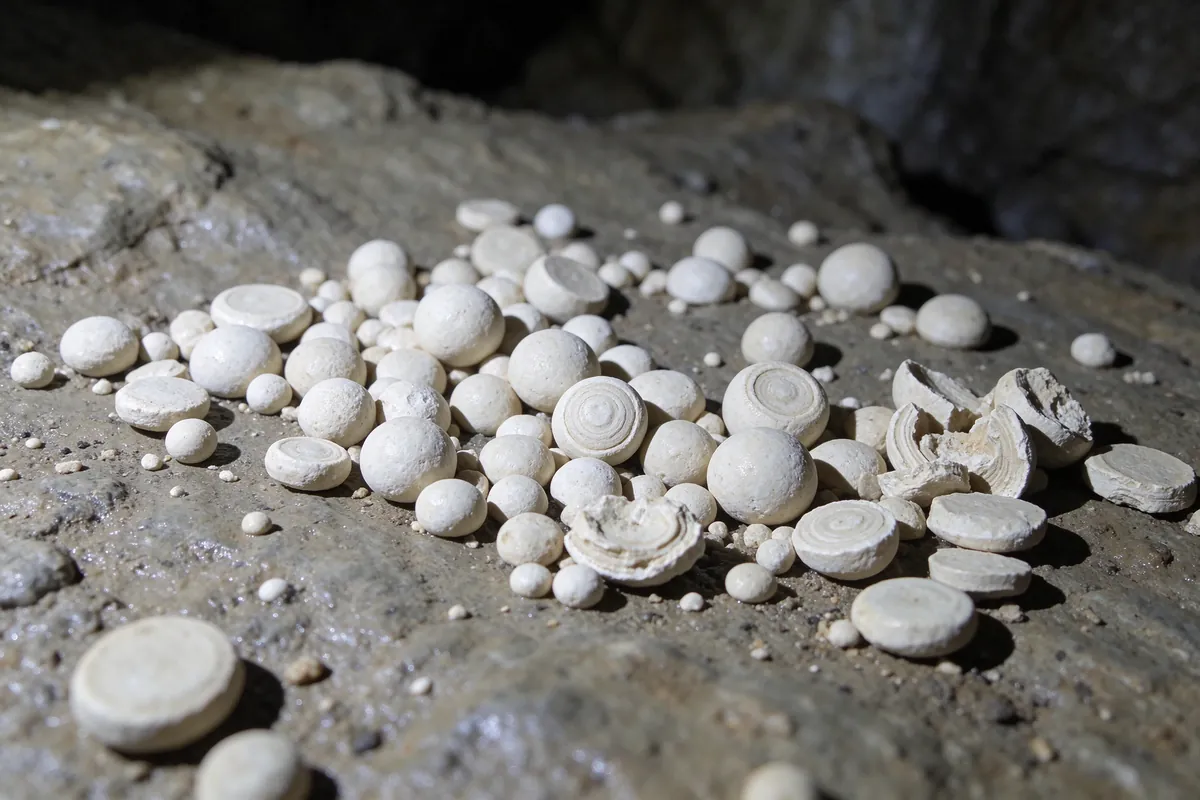
Cave pearls & cakes
Concentric calcium-carbonate deposits in disc or chess-piece shapes, formed by repeated dripping and precipitation.
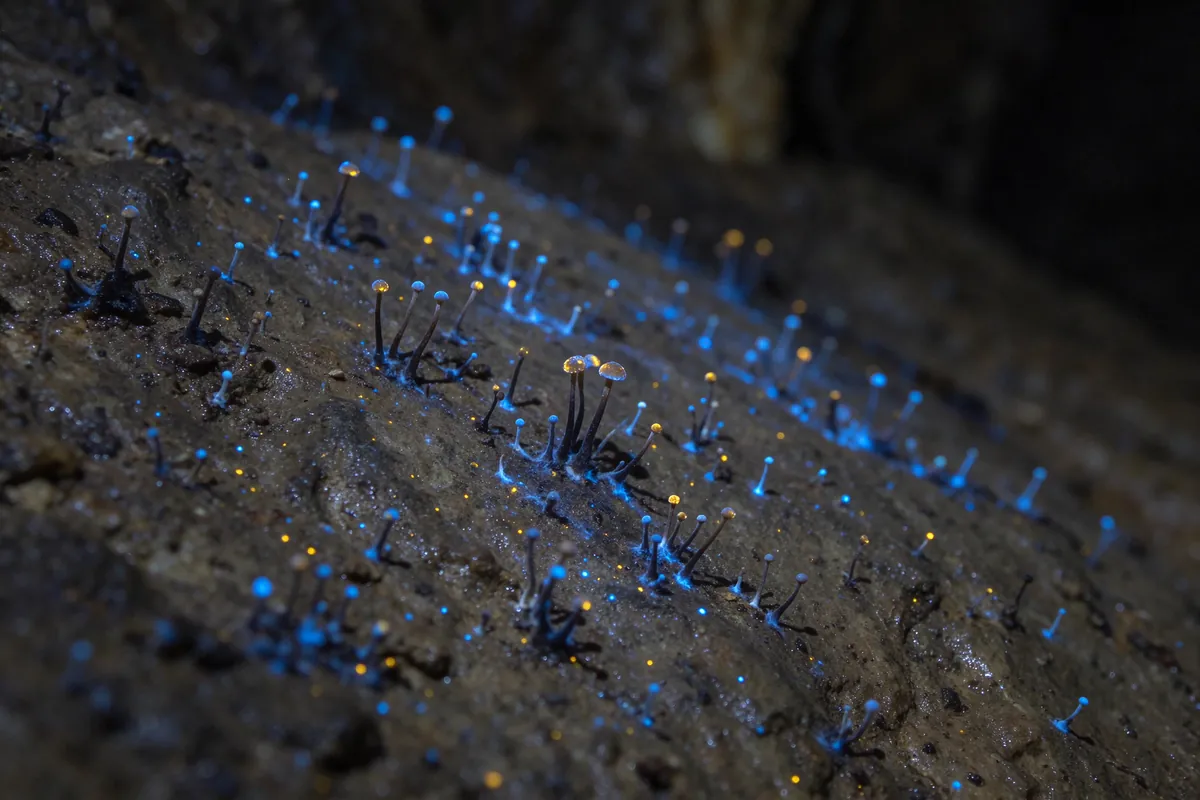
Fluorescent fungi
Some in-cave fungi glow blue and gold under UV light, like stars dotted on the rock walls.
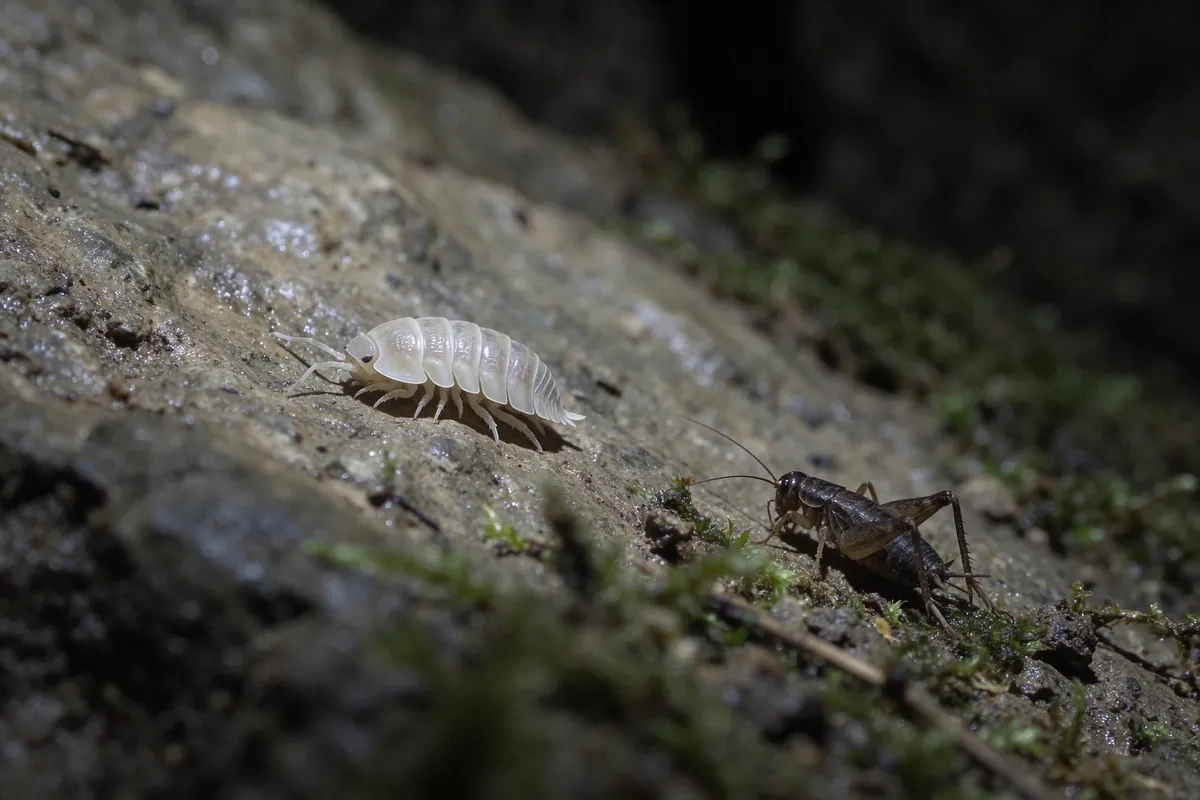
Albino cave creatures
Isopods, crickets and other long-term cave dwellers turn pale and lose vision in perpetual darkness.
How Karst Forms
A cave forms through the combined action of rock, water, channels and time:
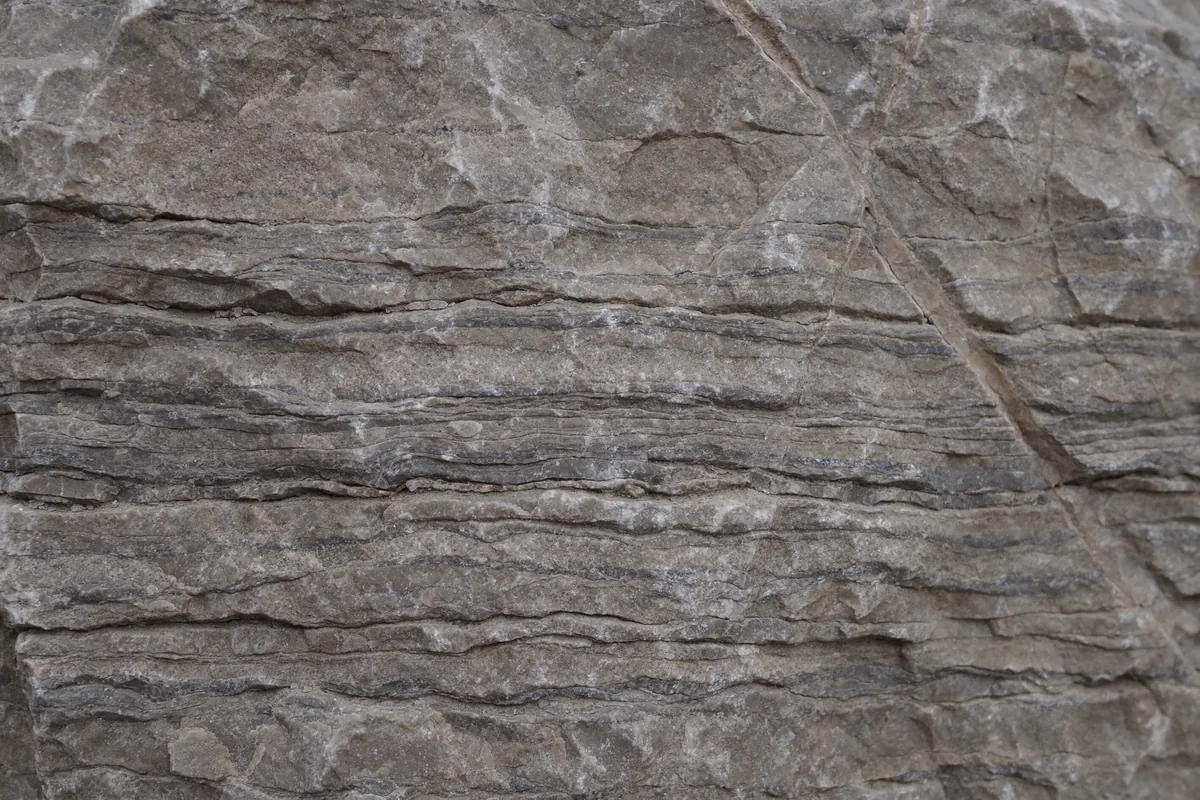
Rock
Mainly limestone (calcium carbonate), the material basis for karst development.
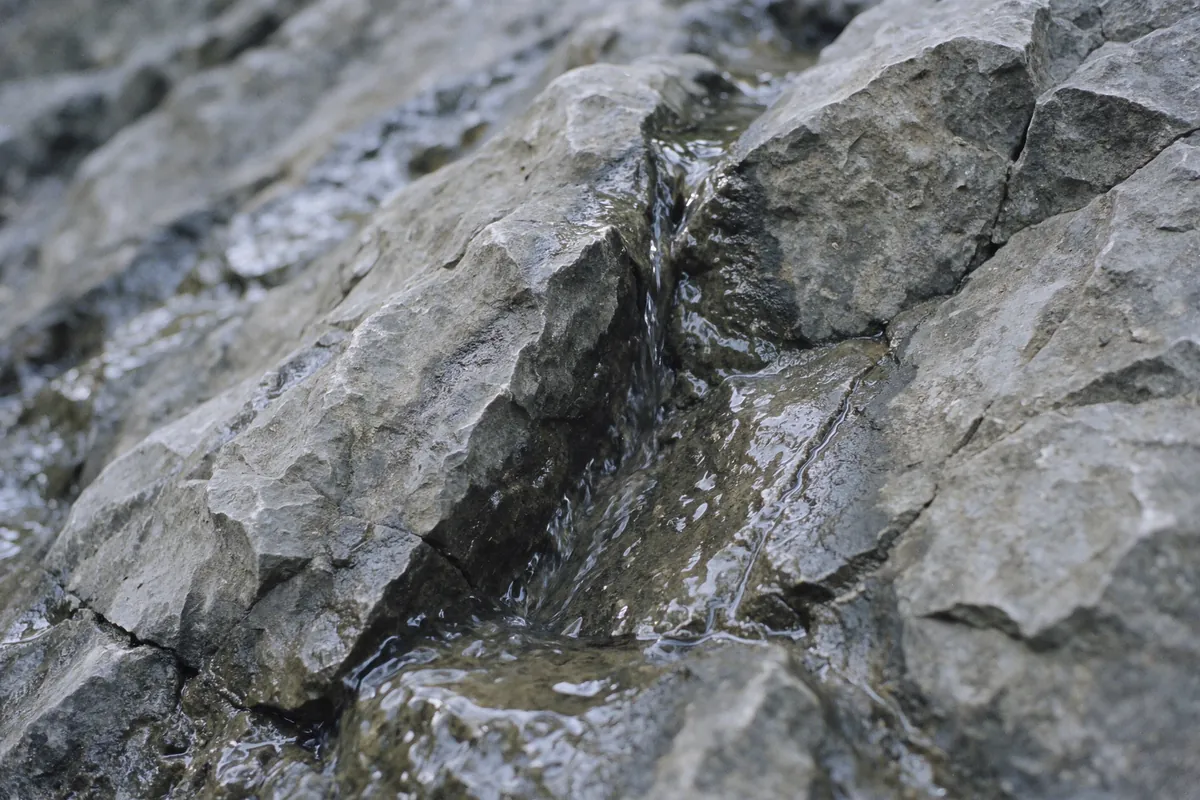
Water
CO₂-bearing rainwater forms weak carbonic acid that slowly dissolves the rock.
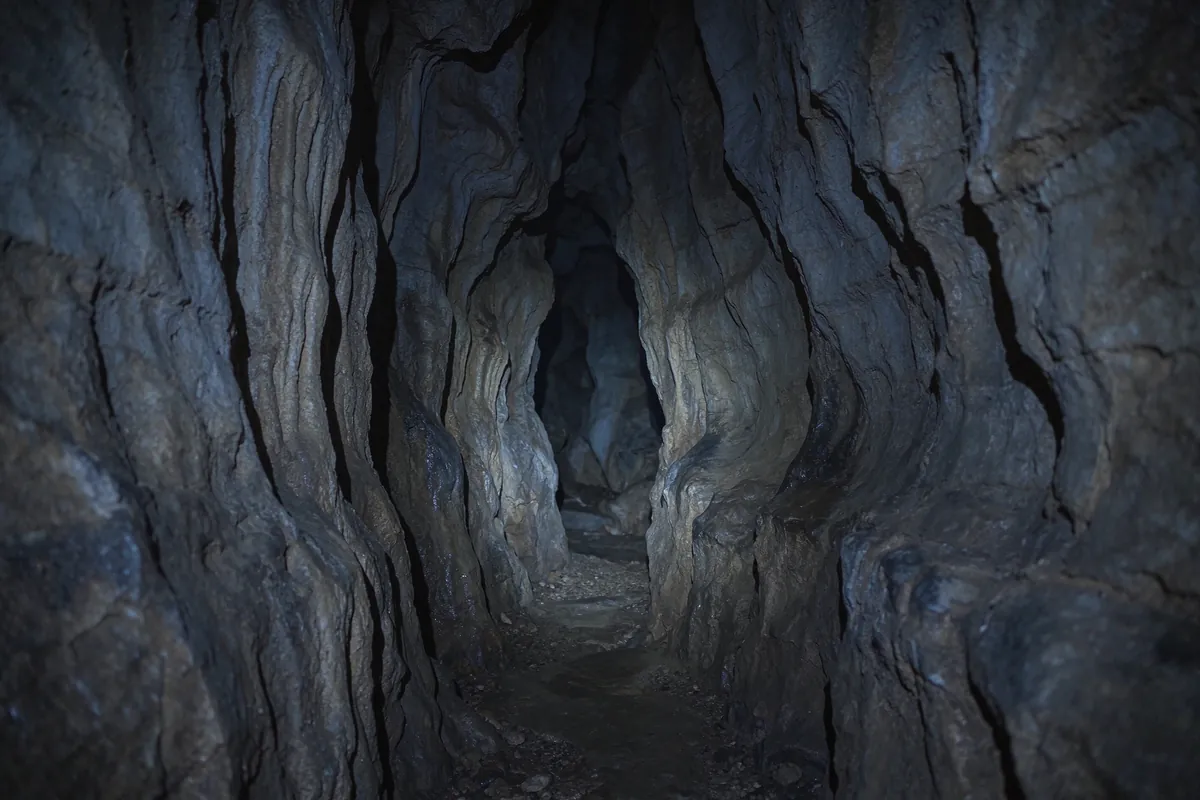
Channels
Water seeps along fractures and flows, gradually widening passages and chambers.
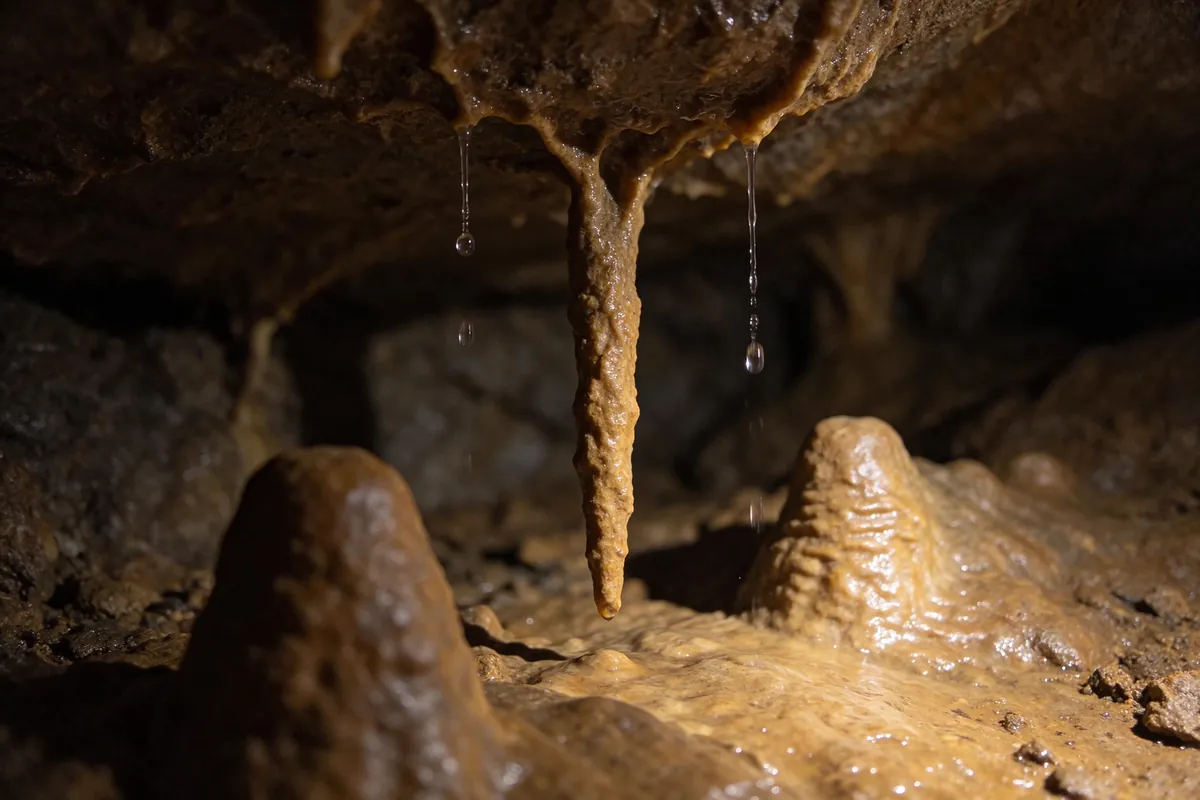
Time
Dripping water deposits calcium carbonate; a stalactite grows about 1 cm per century.
Dripping water still falls in the cave, showing it continues to develop slowly today.
Study case: In June 2025, students and teachers from Huangshi No.3 Middle School, guided by a geology expert, found trilobite fossils in the middle layer of the cave; clear body segments can be observed during study visits.
The scenic area is a Huangshi Science Education Base (certified in 2024), hosting geology study practices for universities, media and study groups.
English translation is for reference. Please refer to the Chinese version for accuracy.